
Pollinator Gardens
- NickyG
- Sep 2, 2022
- 2 min read

Fun fact: pollinators can see colour, most notably purple or blue and yellow. Birds, bees, butterflies, beetles and other small mammals that pollinate plants are essential for supporting our gardens. Without pollinators, we would have no gardens and no ecosystems. So, for this reason, I plant loads of flowers that bring both beautiful colourful blooms to my garden and attract these necessary creatures.
My top 5 pollinator plants are:
1. Catnip (Nepeta): Catnip is a perennial herb that is easy to grow and is loved by both cats and pollinators. It is also known to repel common garden pests who do not care for its spicy scent such as rodents and deer. It produces soft pink, white or purple flowers, and blooms from early spring and throughout the summer season. As a perennial, it comes back each year. Catnip prefers full sun and well-drained soil but it is very hardy and can grow in quite poor conditions. Bonus: no fertilizer needed! Catnip is also edible and is said to have medicinal qualities.

2. Russian Sage (Salvia Yangli): Russian sage is a hardy perennial that grows with relative ease. It is not edible and is, in fact, poisonous if eaten in large quantities. It can also cause (for some) an allergic reaction if touched without gloves (so if you have small children, it may not be the plant for you). However, pollinators love this plant due to its purple blossoms. Its leaves are silver in colour and it grows quite tall. This plant typically blooms in late summer.

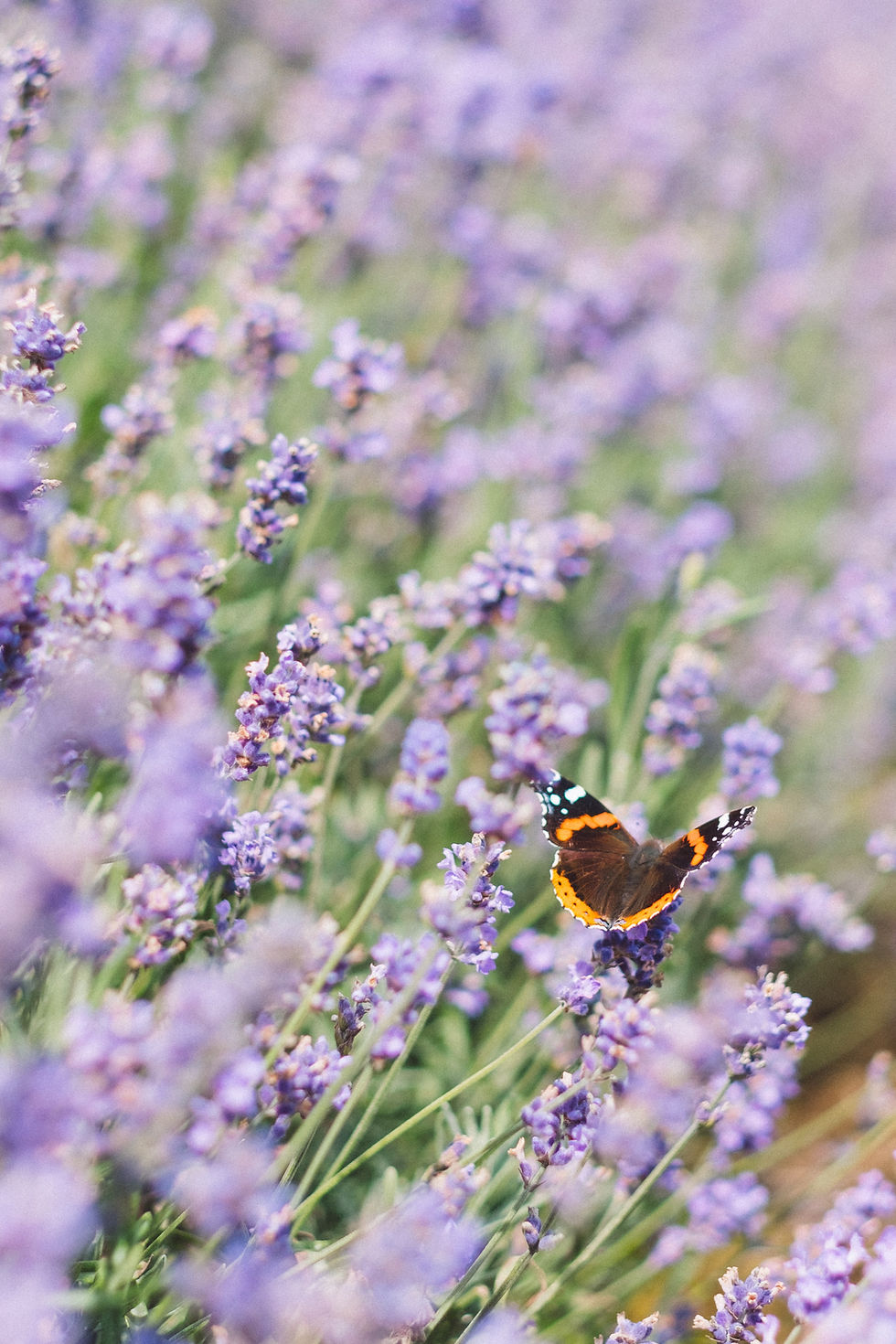
3. Lavender (Lavandula): Lavender is a perennial favourite and comes in several varieties. Its soft purple blooms are edible and are often used in cooking, lotions and soaps, and, of course, in bouquets. Because of its Mediterranean origins, lavender loves hot sun and dry conditions although I have grown it everywhere and anywhere! Lavender has a lovely aromatic and calming scent. It tends to grow in late summer.
4. Foxglove (Digitlis purpurea): Tall and stately foxglove plants have long been a cottage garden favourite. These perennial beauties come in a variety of colours and self-seed. Foxgloves can grow as tall as 6 feet. Foxgloves tend to grow in late spring/early summer and enjoy full sun. Foxgloves are poisonous and cannot be eaten. Again, take caution if you have pets or small children.

5. Butterfly bush (Buddleia davidii or “summer lilac”): Just as the name suggests, pollinators love this plant. It produces tubular purple, pink or white blossoms and is a bush (or tree), as the name also suggests (so plant this in a larger area). This lovely shrub likes a sunny or partially shaded area. Butterfly bush is considered an invasive species in several areas so check to ensure that planting it is permitted in your area. It is often called the summer lilac because it is so easy to grow (easier than lilacs) and has honey scented blooms. It also has a long growing season.

Happy growing! For more tips, please enjoy an interview with @interiors_by_jessica: https://bit.ly/summer22conferenceNico


Comments